
Choosing the right carbide end mill can mean the difference between a smooth production run and a frustrating cycle of premature failures. For manufacturing engineers and machinists running CNC operations, every detail matters: substrate grade, flute geometry, coating, and material match.
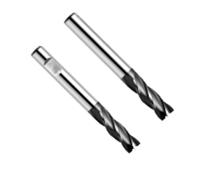 Pilot Precision Products offers carbide end mills engineered for consistent performance across demanding applications. This article walks you through the key factors that affect tool selection, tool life, and cut quality so you can make confident decisions on your next tooling purchase.
Key Takeaways: What to Know About Carbide End Mills for CNC Milling
- Carbide substrate grade directly affects edge retention, toughness, and tool life in specific materials.
- Flute count and helix angle should match your material type and chip evacuation requirements.
- Advanced coatings like TiAlN and AlTiN extend tool life by managing heat and reducing wear.
- Pilot Precision Products connects you with application-specific carbide end mills from trusted global brands.
- Matching end mill geometry to your machine rigidity and coolant setup prevents premature tool failure.
Essential Factors for Selecting the Right Carbide End Mill
1. Carbide Substrate Grade and Grain Structure
The carbide substrate is the foundation of every end mill. Micrograin and ultrafine-grain carbide substrates deliver higher hardness and better edge retention than standard grades. That translates to tighter tolerances and longer runs between tool changes.
For hard materials like tool steels or Inconel, look for substrates rated above 90 HRA. Softer, tougher grades work better on aluminum and mild steels, where flexibility prevents chipping during interrupted cuts. A 2025 study published in the Journal of Manufacturing Letters confirmed that substrate microstructure significantly influences coated end mill performance in stainless steel slot milling.
2. Flute Count and Its Impact on Chip Evacuation
Flute count is not a one-size-fits-all choice. Two-flute end mills give you larger chip valleys, which helps when milling aluminum and other gummy materials. Three-flute designs balance chip evacuation with tool strength for general-purpose work.
Four-flute and higher options increase your effective cutting edges, improving surface finish and allowing faster feed rates on steels and cast irons. If your application calls for deep slotting, fewer flutes keep chips moving. For finishing passes in harder metals, more flutes give you smoother results.
3. Helix Angle and Cutting Efficiency
The helix angle controls how the cutting edge engages the workpiece. Standard 30-degree helix angles handle most general milling tasks effectively. Higher helix angles, typically 40 to 45 degrees, reduce cutting forces and produce a shearing action that minimizes vibration during finishing passes.
Variable helix designs go a step further by disrupting harmonic resonance, which is especially useful in deep-pocket milling or when working with thin-walled components. Pilot Precision Products carries hard milling solutions specifically designed for high-helix, low-vibration applications in demanding materials.
4. Coating Selection for Heat and Wear Management
Coatings are not optional for demanding CNC work. TiAlN (titanium aluminum nitride) excels at elevated cutting temperatures and is a go-to choice for steels, stainless steels, and cast irons. AlTiN offers even higher thermal resistance for dry or near-dry machining operations.
Diamond coatings are the right choice for abrasive materials such as graphite, composites, and high-silicon aluminum alloys. Uncoated carbide still has a role for aluminum and non-ferrous metals where built-up edge is a concern. Pilot Precision Products offers coated grades matched to specific material families.
5. End Mill Geometry: Corner Radius vs. Square vs. Ball Nose
Geometry affects everything from chip formation to surface finish. Square end mills are the standard for slotting, profiling, and shoulder milling operations. Ball nose end mills generate smooth 3D contours for mold and die work.
Corner-radius end mills offer a middle ground: the radius strengthens the cutting edge, reduces chipping, and extends tool life in hard material finishing. If you are running aggressive roughing passes, look at roughing end mills with serrated flute edges that break chips into smaller segments and reduce overall cutting resistance.
6. Matching the End Mill to Your Material
Material compatibility is where many tooling decisions go wrong. Aluminum requires sharp, polished cutting edges and large chip clearance, making two-flute, high-helix, uncoated end mills a natural fit. Steel and stainless steel demand TiAlN-coated, four-flute tools with moderate helix angles.
 Exotic alloys like titanium, Inconel, and Hastelloy call for specialized geometries with variable helix, high rake angles, and AlTiN coatings to manage the extreme heat these materials generate. Pilot Precision Products' Tooling Concierge team analyzes your part drawing, material, and machine to match you with the right end mill for the job.
7. Tool Rigidity, Runout, and Machine Setup
Even a perfectly selected end mill fails if the setup undermines it. Tool runout of more than 0.0005 inches dramatically shortens tool life and degrades finish quality. Shrink-fit and hydraulic holders minimize runout compared to standard collet chucks.
Stickout length matters, too. Keep it as short as possible while maintaining clearance for the workpiece. Every additional diameter of stickout reduces tool rigidity and invites chatter. Assess your spindle horsepower and machine rigidity before selecting aggressive cutting parameters for production runs.
8. Feeds, Speeds, and Cutting Parameters
Starting with manufacturer-recommended feeds and speeds is always a smart baseline for any new setup. From there, adjust based on your actual conditions: machine rigidity, workholding, coolant delivery, and the specific carbide grade you are running.
A CNCCookbook survey of machinists found that 84% of respondents prioritize the value-to-performance ratio when selecting end mills. Running the right parameters maximizes that ratio. Pushing too hard causes premature wear. Going too conservative wastes capacity and leaves potential productivity on the table for every shift.
9. Tool Life Monitoring and When to Replace
Monitoring tool wear is critical for production consistency. Flank wear, crater wear, and edge chipping all signal different failure modes. Set measurable criteria for tool life endpoints rather than relying on visual inspection alone.
Tracking cost per part rather than cost per tool gives you a clearer picture of real tooling economics. A premium carbide end mill that runs 50% longer at slightly higher cost almost always outperforms a cheaper tool on a per-part basis. Pilot Precision Products extends tool economics further through resharpening services that restore cutting geometry and coating integrity.
10. Getting Expert Guidance on End Mill Selection
Carbide end mill selection involves more variables than any catalog can capture. Material grade, machine platform, tolerance targets, production volume, and finish requirements all interact. A mismatched tool does not just underperform: it increases scrap, adds cycle time, and drives up cost per part.
Pilot Precision Products addresses this challenge through its Tooling Concierge service. Experienced applications engineers review your part drawing, evaluate your setup, and recommend the specific end mill geometry, grade, and coating for your application. That approach replaces catalog guesswork with application-driven confidence.
How to Choose the Right Carbide End Mill for Your CNC Operation
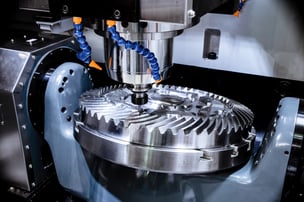 Selecting a carbide end mill is not a single-variable decision. It requires evaluating substrate, geometry, coating, and setup conditions as a connected system. When those factors align with your material and machine, you get longer tool life, better finishes, and lower cost per part.
Pilot Precision Products gives you direct access to solid carbide end mills for radial taper milling, aluminum milling, roughing, chamfering, and diamond-coated mills for high-hardness applications. Combined with expert Tooling Concierge support, you get more than a tool: you get a production strategy built around your specific needs.
Ready to move from product search to production strategy? Request a quote or connect with a Tooling Concierge to find the right carbide end mill for your next job.
FAQs About What to Know About Carbide End Mills for CNC Milling
What makes carbide end mills better than high-speed steel for CNC milling?
Carbide end mills maintain hardness at higher temperatures, allowing faster cutting speeds and longer tool life. They outperform high-speed steel in abrasive materials and high-production environments where consistent edge retention is essential.
How do I choose the right flute count for my carbide end mill?
Match flute count to your material and operation. Two or three flutes work for aluminum and soft metals. Four or more flutes deliver better finishes on steels and cast irons. Pilot Precision Products' Tooling Concierge recommends the right flute configuration for each application.
When should I use a coated carbide end mill vs. an uncoated one?
Use coated end mills for steels, stainless steels, cast irons, and high-temperature alloys where heat management is critical. Uncoated carbide is often the better choice for aluminum and non-ferrous metals to prevent built-up edge on the cutting surface.
How does helix angle affect end mill performance?
Higher helix angles reduce cutting forces and vibration, producing smoother finishes in most materials. Standard helix angles around 30 degrees are effective for general milling. Variable helix designs reduce chatter in deep-pocket and thin-wall operations.
What role does tool runout play in carbide end mill performance?
Tool runout exceeding 0.0005 inches can significantly reduce tool life and degrade surface finish. Shrink-fit and hydraulic tool holders reduce runout. Minimizing stickout length also improves rigidity and cutting stability during CNC milling.
Can Pilot Precision Products help me select the right carbide end mill?
Yes. Pilot Precision Products' Tooling Concierge service matches you with the right end mill based on your material, machine, tolerance, and production goals. Applications engineers evaluate your setup and recommend geometry, grade, and coating to optimize performance.